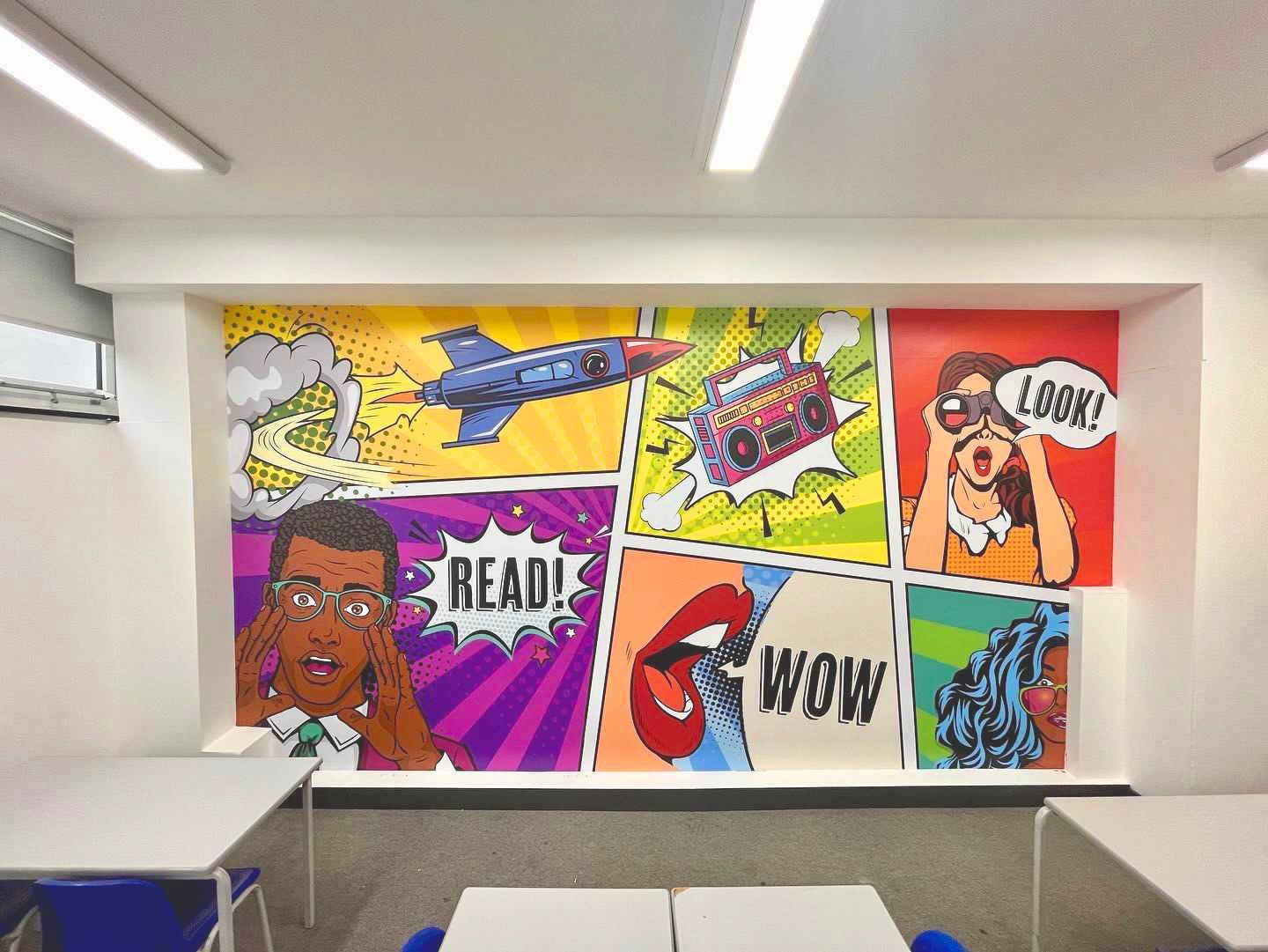
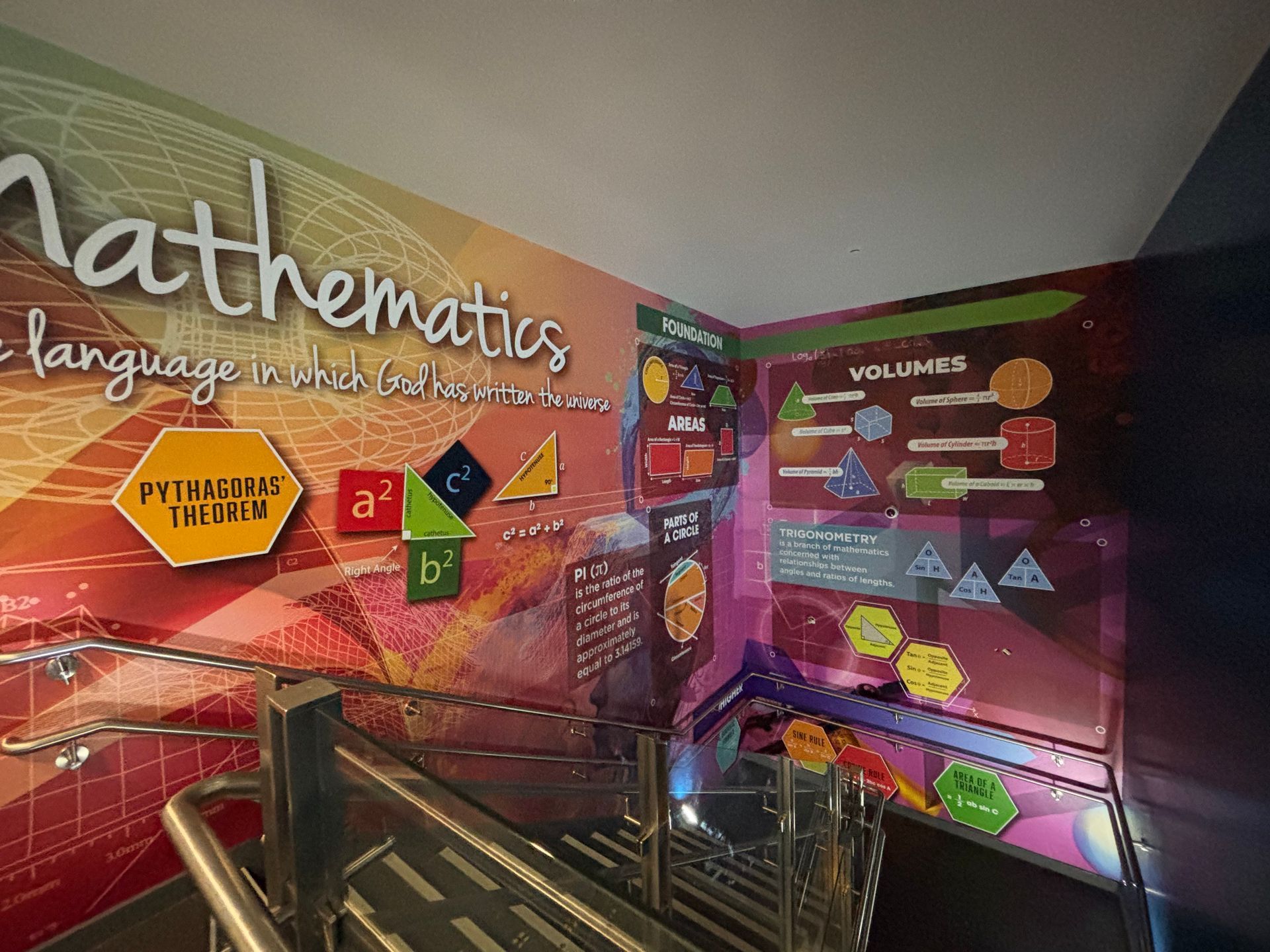
Integrating curriculum themes into the wall graphics design can enhance the learning experience by creatively immersing students in the subject matter. For example, if students study the rainforest, a designed wall graphic showcasing its ecosystem can bring the topic to life. Inspire students to delve deeper into their exploration and understanding of the subject matter.
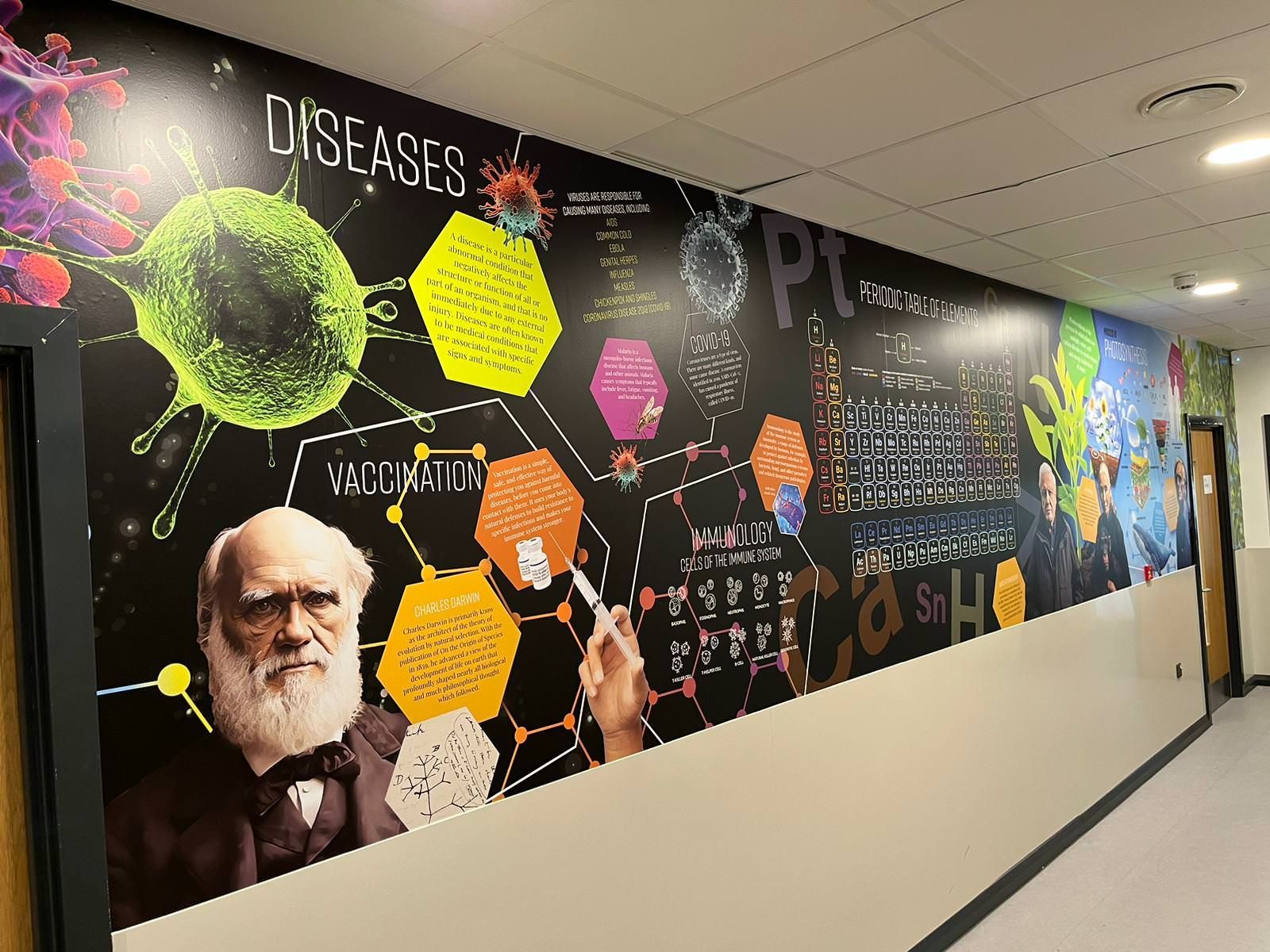
Incorporating Educational Themes into Wall Art.
- Embedding curriculum themes in wall graphics can offer a learning experience that breathes life into subjects. This enhances the learning space's allure while promoting educational goals through increased interaction and engagement with the material.
To effectively create and incorporate curriculum-aligned wall graphics, consider the steps:
- Choose themes that resonate with the curriculum
- Design visually stimulating graphics that complement the learning environment. Ensure that the graphics are relevant to the objectives.
- Encourage exploration through thoughtful placement and design
- Following these guidelines can enhance the learning environment and make educational content more accessible and engaging for learners.
Key Elements to Consider for Integrating Curriculum
- Explore themes such as ecosystems such as the rainforest or the ocean and their intricate portrayal through depictions of plants and animals intertwined with environmental phenomena.
- Make murals depicting historical moments, like civilisations or the Industrial Revolution.
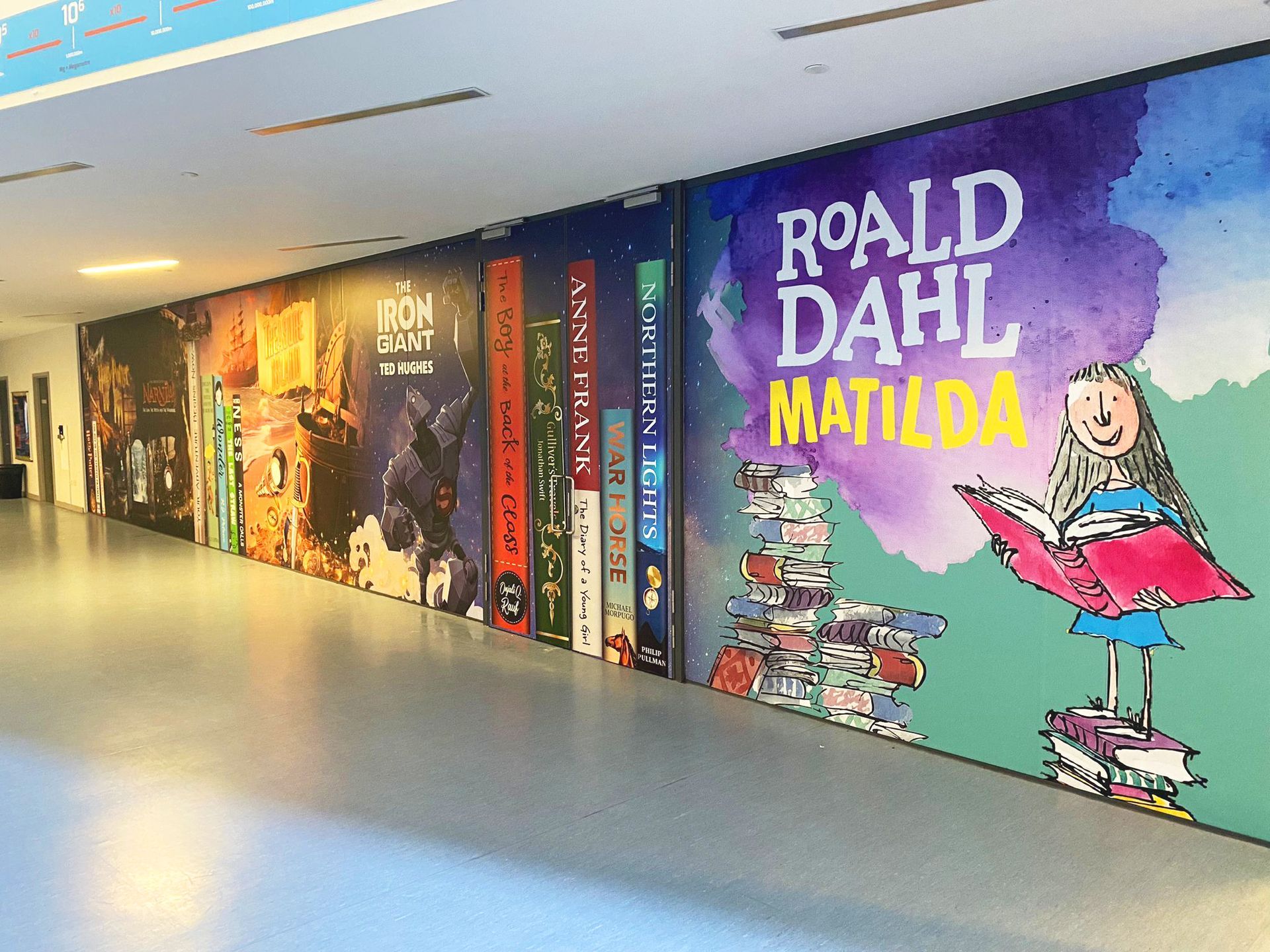
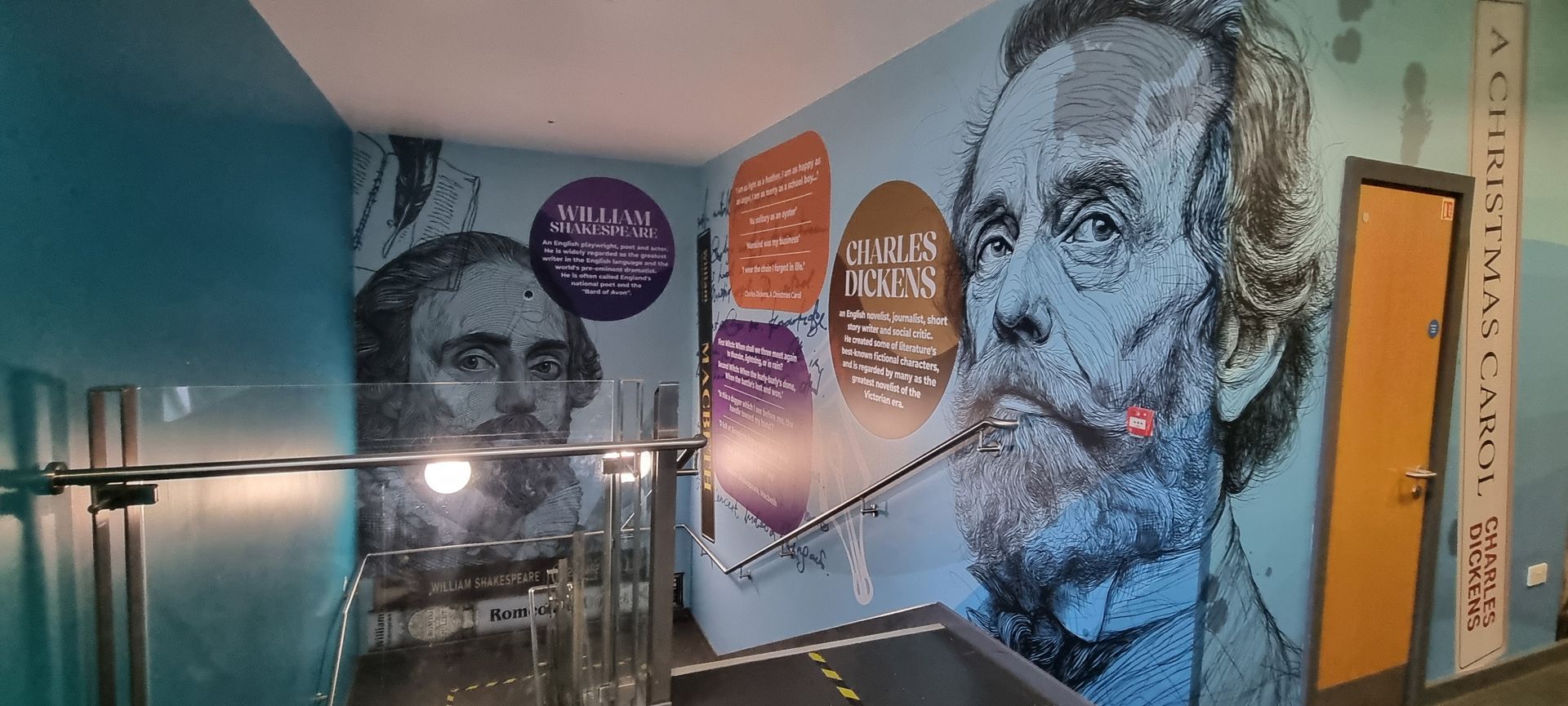
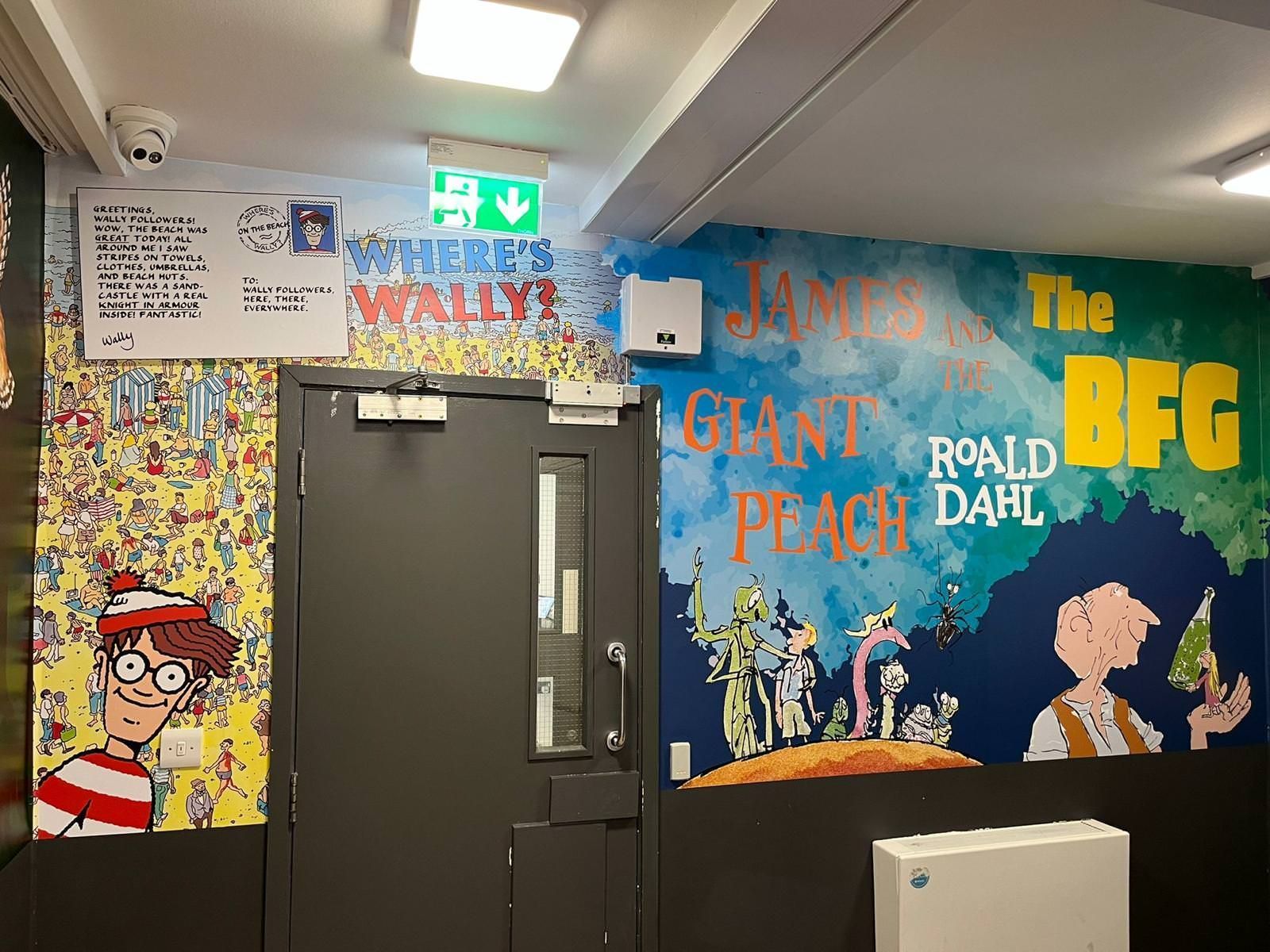
- Let's promote reading and critical analysis by incorporating scenes from timeless literature, known book characters, and quotations that inspire readers to explore the world of exploration.
- Interactive and educational content enhances user engagement and learning opportunities.
- Ensure that tags and interesting trivia are incorporated into the visuals to boost the learning experience.
- To better engage students, include components, like parts and QR codes, that lead to extra materials or spaces for writing and sketching.
Blend science with technology, mathematics, arts, and engineering to develop graphics centred around the STEAM concept.
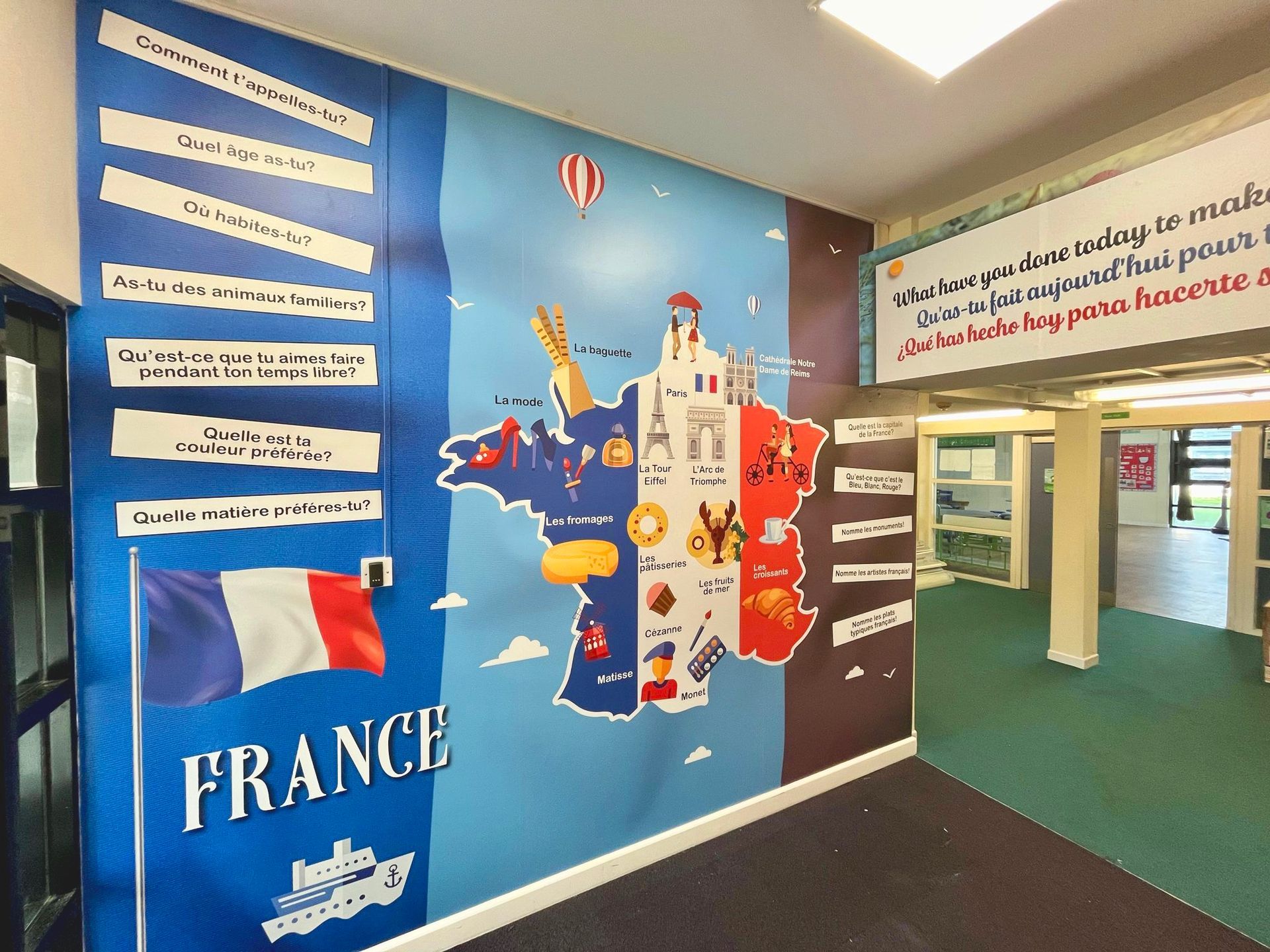
Explore cultural studies by focusing on art forms, musical traditions, and worldwide languages.
Optimal Placement for the Greatest Influence
Schoolrooms:
- Utilise classroom walls to showcase curriculum themes like a rainforest painting for a science class or a detailed timeline depicting historical events in a history class.
- Incorporate elements in designated corners to set up learning zones. This will allow students to interact with wall graphics through hands-on activities, creating a dynamic learning experience.
Hallways that match subjects:
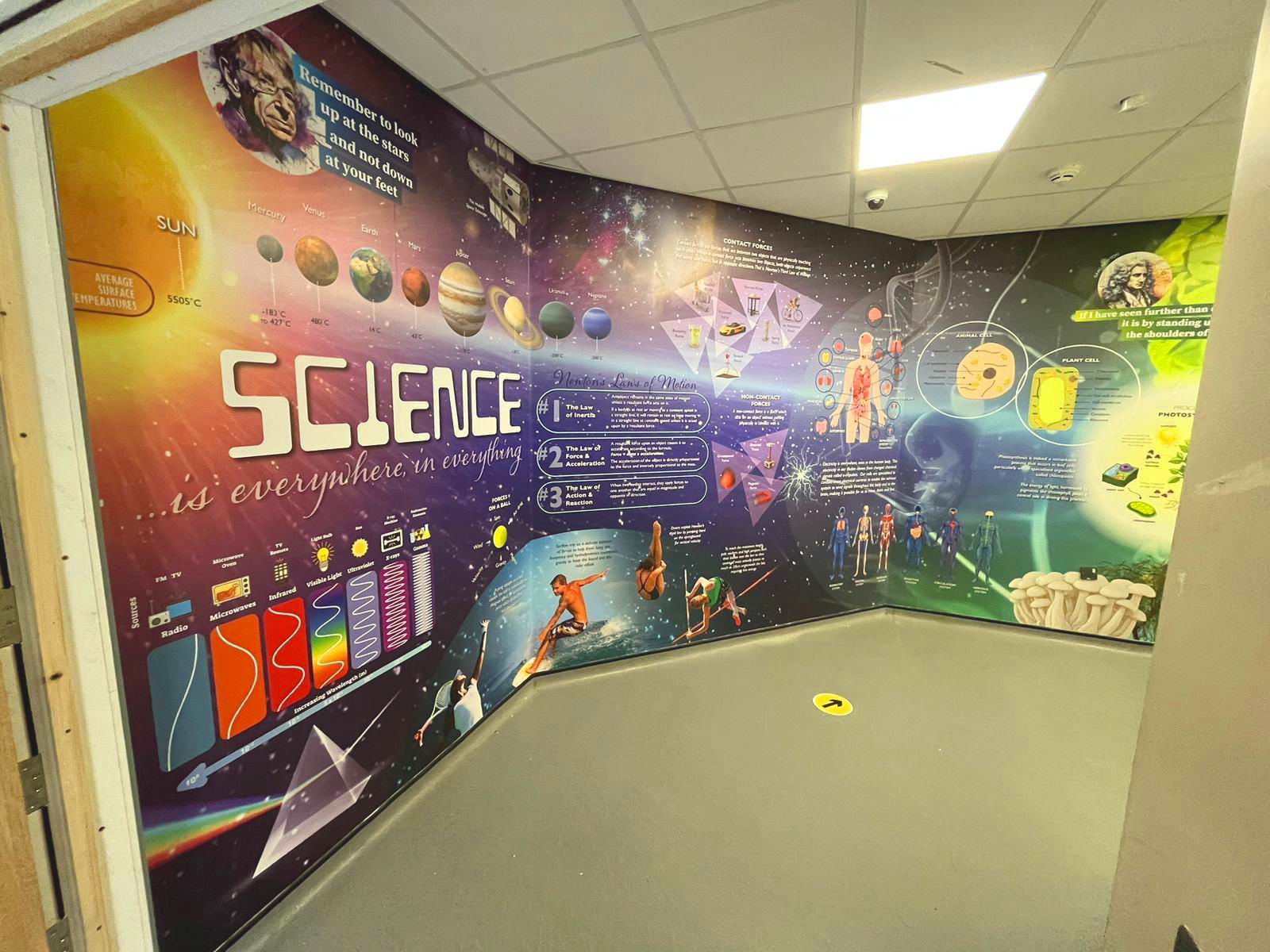
- For example, they focused on math with famous mathematicians and equations or a science hallway highlighting the solar system and scientific breakthroughs.
- Utilise hallway sections to showcase rotating displays that align with the curriculum themes to keep the content engaging and up-to-date.
Transforming spaces into learning environments is a great idea!
- For example, you could turn a library into a spot with themed decorations or add world maps and cultural facts to the cafeteria for an educational touch.
Let's set up areas called Discovery Zones, where students can dive into subjects using interactive and captivating wall graphics.
- Understand the ideas and concepts.
- Identify any triggers or patterns.
- Rewrite with human wording and sentence structures.
- Maintain part of speech distribution.
- Ensure coherent sentences without complexity.
Teaching About the Environment Outdoors:
- As part of an outdoor educational program, use walls and fences to showcase information about animals and plants and the importance of ecological preservation.
Transforming Playtime into Learning Time:
- Infuse elements into playground spaces by integrating math challenges into hopscotch games or showcasing physical education principles through murals.
Let's devise an implementation plan.
- Designing collaboratively involves working as a team to create a product or solution.
- Involve teachers and students in the design process to ensure that the visuals align with the curriculum and achieve objectives.
- Collaborate with designers to craft visuals that effectively communicate educational information.
- Select child-safe materials when selecting items for children to use.
- Choose eco alternatives by selecting materials matching the school's environmental stewardship dedication.
Professional Setup;
- You should control the installation to guarantee safety and a pleasing result and prevent alignment or damage concerns.
- Make sure to place images at a height where kids can see them easily and reach them comfortably.
Updates and Upkeep;
- Remember to set aside time for upkeep and cleaning to keep the visuals captivating and up-to-date.
- Let's schedule updates to bring curriculum ideas and maintain an engaging and dynamic learning atmosphere.
Examples of Wall Graphics Integrated into the Curriculum
Painting a mural of the rainforest ecosystem;
- Create a mural showcasing the elements of the rainforest environment. Including intricate depictions of plants and animals found in different layers of the rainforest ecosystem, informative labels and engaging facts about each species and natural process.
- We are enriching the journey by making the study of rainforests engaging and inspiring students to delve deeper into the topic.
Timeline of events displayed on a wall;
- The plan is to create a schedule of historical occurrences and personalities, visuals, and concise explanations. Adding features such as flaps or QR codes to connect users with resources or activities can enhance the experience further.
- Exploring the impact of history can offer insights and spark curiosity among students by showcasing the interconnectedness of historical eras and events.
STEAM Education Corner;
- Create a section for STEAM education with visuals that blend science and technology with art and math ideas. Incorporate interactive elements such as movable gears, puzzles, and spaces for drawing and writing activities.
- Encouraging learning and creativity can lead to understanding STEAM subjects by fostering a holistic approach.
Exploring the themes found in literature at the library;
- The design should include artwork depicting scenes from known works and beloved book characters alongside inspirational quotes on graphics at the library premises; comfortable reading corners with themed decorations should be set up to foster a passion for reading among visitors.
- It encourages literacy and fosters a love for literature among students by motivating them to delve into reading genres.
Closing Remarks
Incorporating curriculum themes into wall graphics can make school environments exciting and interactive. This method effectively supports goals while improving the overall visual aesthetics of the school premises and offering valuable educational advantages. Interacting with the content on the walls makes learning fun and engaging. This method helps students engage meaningfully with the subject, encouraging curiosity and a passion for learning.